


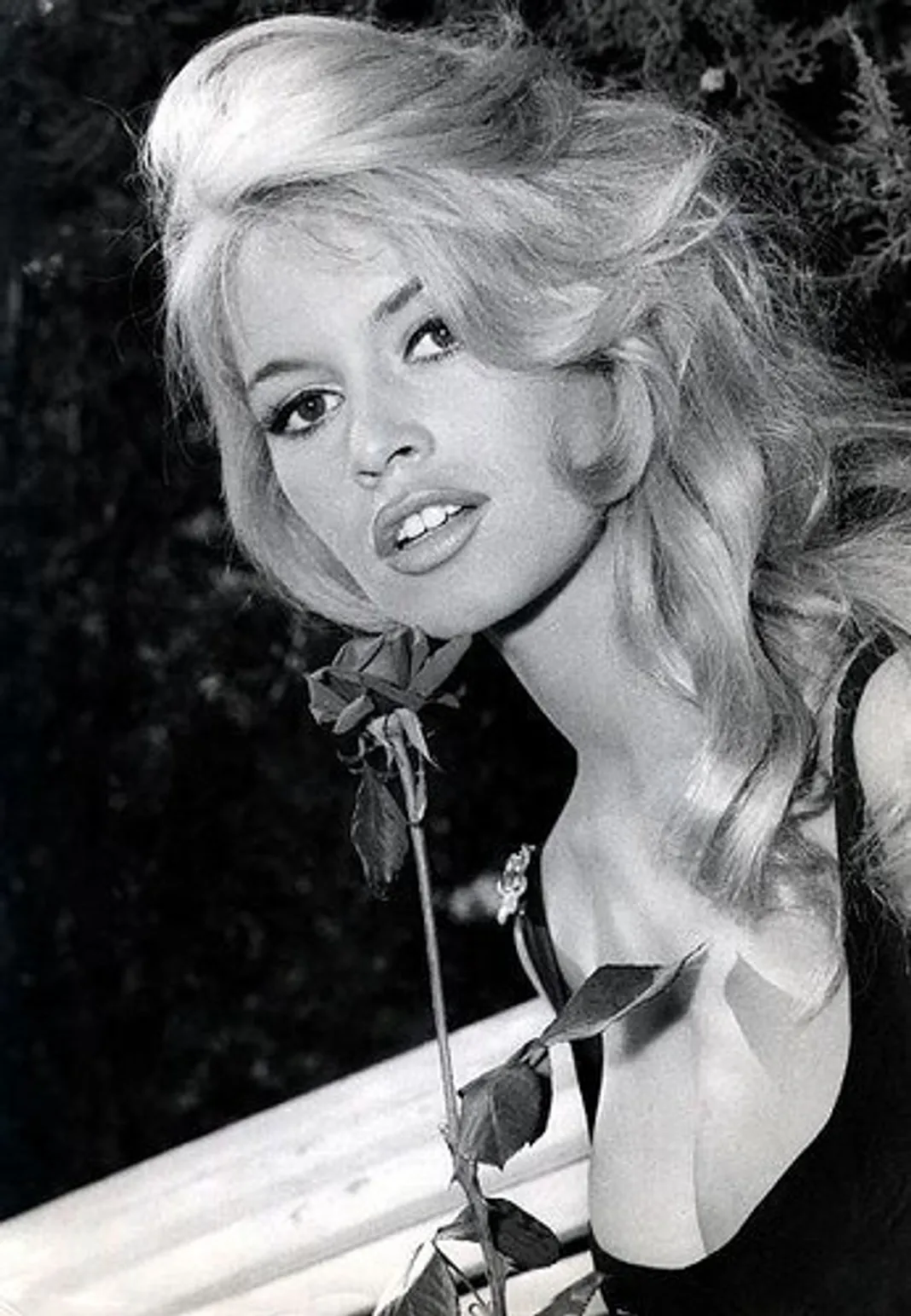
French cinema legend Brigitte Bardot has died at the age of 91, according to French media and The Associated Press. Bardot passed away at her home in southern France, as confirmed by Bruno Jacquelin of the Brigitte Bardot Foundation. No official cause of death was released, though she had faced ongoing health issues and hospitalizations in recent months.
Tributes poured in across France following the news of her passing. President Emmanuel Macron praised Bardot for embodying “a life of freedom,” while political leaders and cultural figures acknowledged her immense influence on French identity and global popular culture. For many, Bardot symbolized a turning point in postwar cinema—fearless, modern, and unapologetically independent.
Brigitte Bardot’s Life, Career, and Lasting Impact
Born in Paris on Sept. 28, 1934, Bardot rose to international stardom in the 1950s, redefining femininity on screen with a natural sensuality that challenged social norms. Her breakthrough came with And God Created Woman, directed by her then-husband Roger Vadim, which turned her into a worldwide sensation and a symbol of cultural liberation.

Over the course of her career, Bardot appeared in more than 40 films, including acclaimed works such as The Truth and Viva Maria!. Though Hollywood beckoned, she largely remained rooted in European cinema. In 1973, at just 39, she retired from acting entirely—walking away from fame at its peak.
Her second act proved just as influential. In 1986, she founded the Brigitte Bardot Foundation, dedicating her life to animal welfare. Bardot campaigned tirelessly against fur trapping, animal abuse, and inhumane farming practices, insisting her greatest legacy lay not in film, but in advocacy.
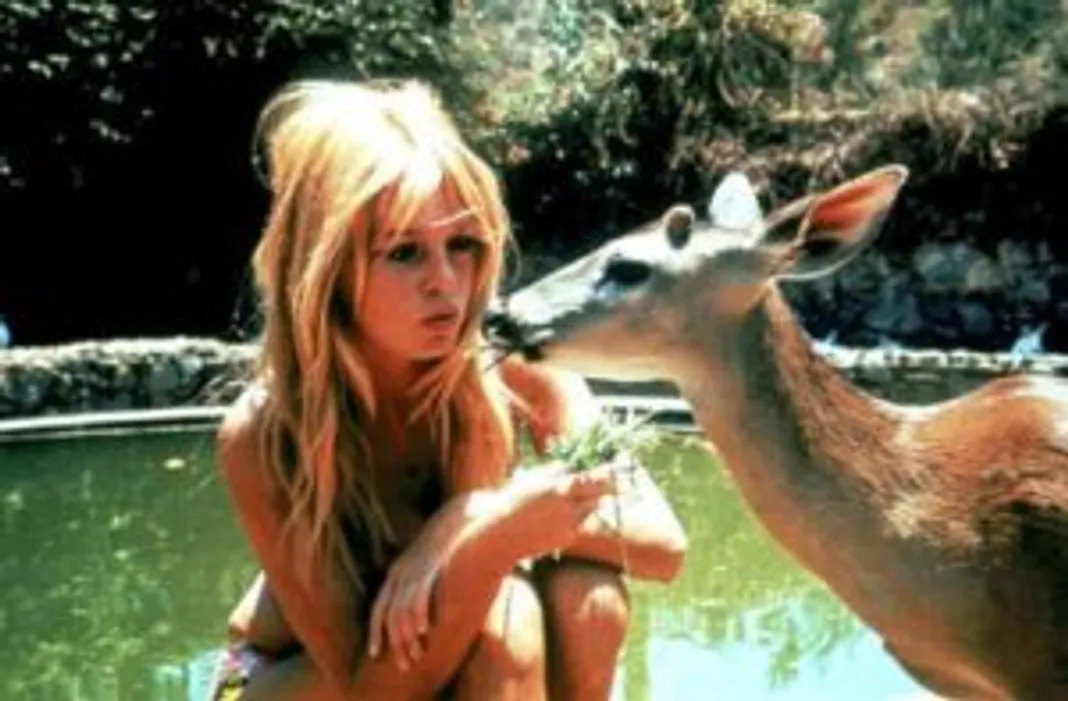
Complex, controversial, and unforgettable, Brigitte Bardot leaves behind a legacy that shaped cinema, culture, and animal rights for generations.
More like this:
Hollywood Mourns Rob Reiner, One of Comedy’s Most Influential Directors
