


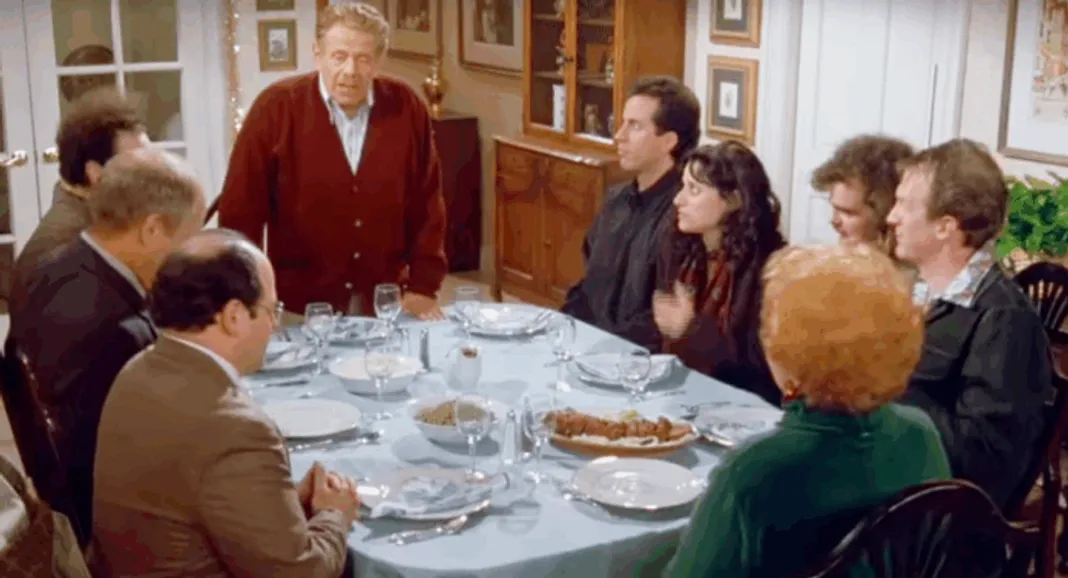
Born from Seinfeld’s sharp satire and lasting pop-culture impact, the unconventional December tradition of Festivus offers a humorous escape from holiday pressure, swapping decorations and forced cheer for honesty, simplicity, and unapologetic irreverence.
What Is Festivus?
Festivus is a fictional holiday introduced on the hit sitcom Seinfeld, but over time it has grown into a real-world cultural phenomenon. First appearing in Season 9, Episode 10, “The Strike,” Festivus was created as a satirical alternative to the commercial excess and emotional pressure surrounding Christmas. Celebrated annually on December 23, Festivus is best known for its minimalist approach, blunt honesty, and absurd traditions that poke fun at conventional holiday customs.
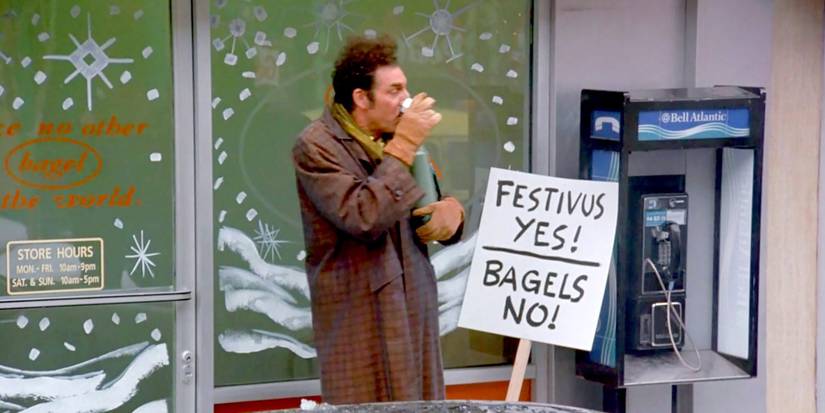
The Origins of Festivus
The holiday was invented by Seinfeld writer Dan O’Keefe, inspired by a quirky tradition started by his father in the 1960s. On the show, it was is introduced by Frank Costanza, who declares, “A Festivus for the rest of us,” after growing frustrated with the commercialization of Christmas. What began as a sitcom joke quickly resonated with viewers who appreciated its anti-consumerist message and irreverent humor.
The Tradition Explained
Unlike traditional holidays, Festivus skips decorations in favor of a plain aluminum pole. The celebration includes a simple meal, followed by the “airing of grievances,” where participants openly share disappointments from the past year. The night concludes with the “feat of strength,” a wrestling match that continues until the head of the household is pinned.
Decades after its debut, the holiday endures as a pop-culture holiday embraced by fans across the country. Its appeal lies in its humor, honesty, and rejection of holiday pressure—making Festivus a perfect celebration for those who prefer satire over sentimentality.
More like this:
The Best Hanukkah Movies to Add to Your Holiday Watchlist
